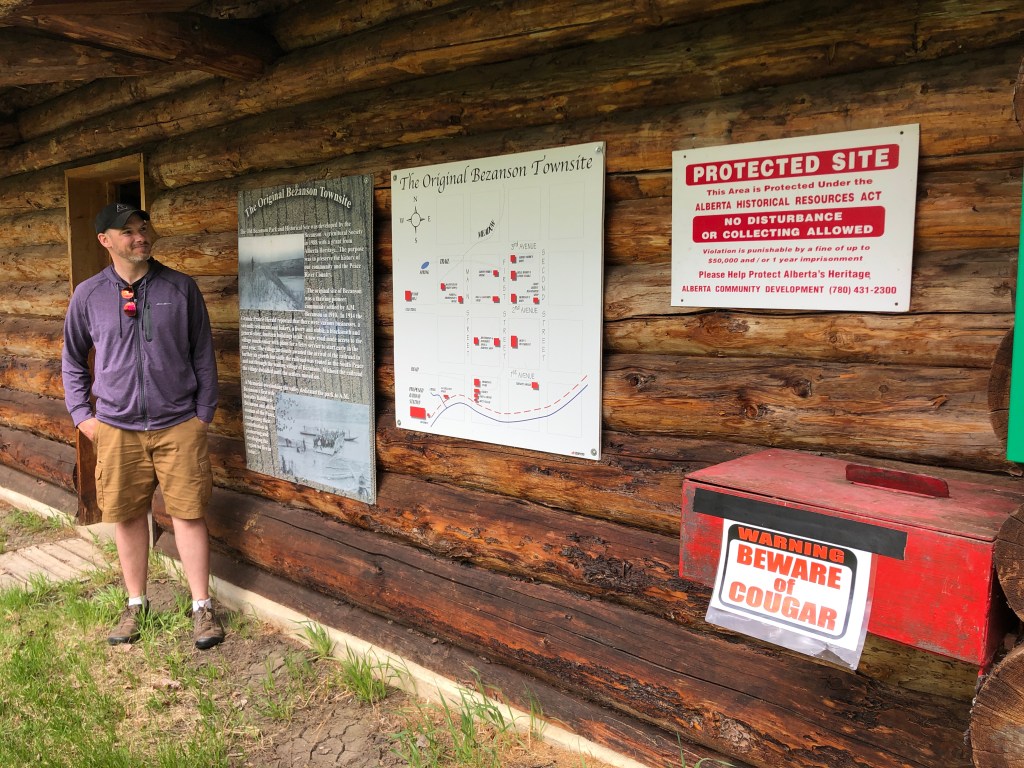
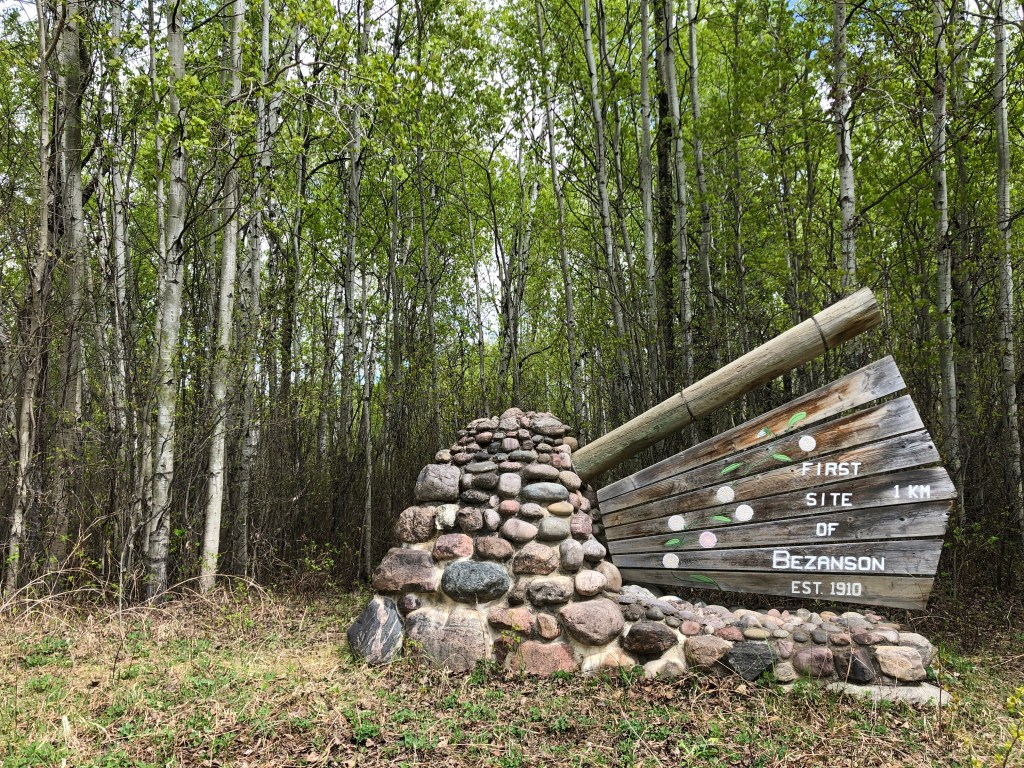
Alberta-educated archaeologists, Dr. Shawn Morton (GPRC instructor) and Dr. Meaghan Peuramaki-Brown (Associate professor at Athabasca University and GPRC visiting scholar) hosted a presentation on Friday, March 26, 2021 on their research of frontiers and boomtowns. Learn about their long-term research in Alabama, Belize – an old townsite located outside of the Maya heartland, that was a bustling frontier town during its time roughly 1,200 years ago, and their future plans for community-based research closer to home in Bezanson, Alberta. This was an opportunity to provide important community input, as Dr. Morton and Dr. Peuramaki-Brown work to connect and show the similarities of these two locations, even through they are separated by more than a millennium and thousands of miles.
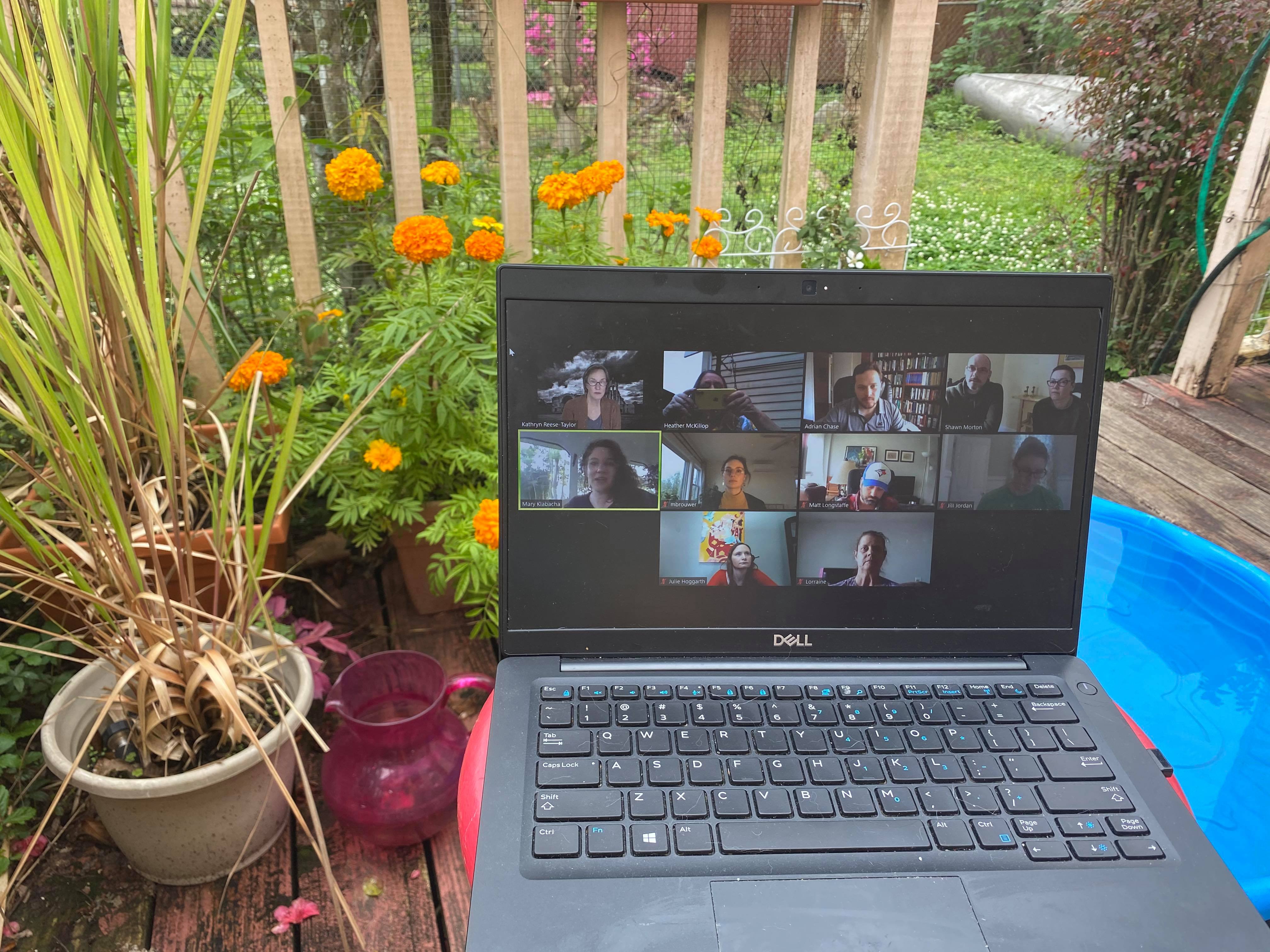
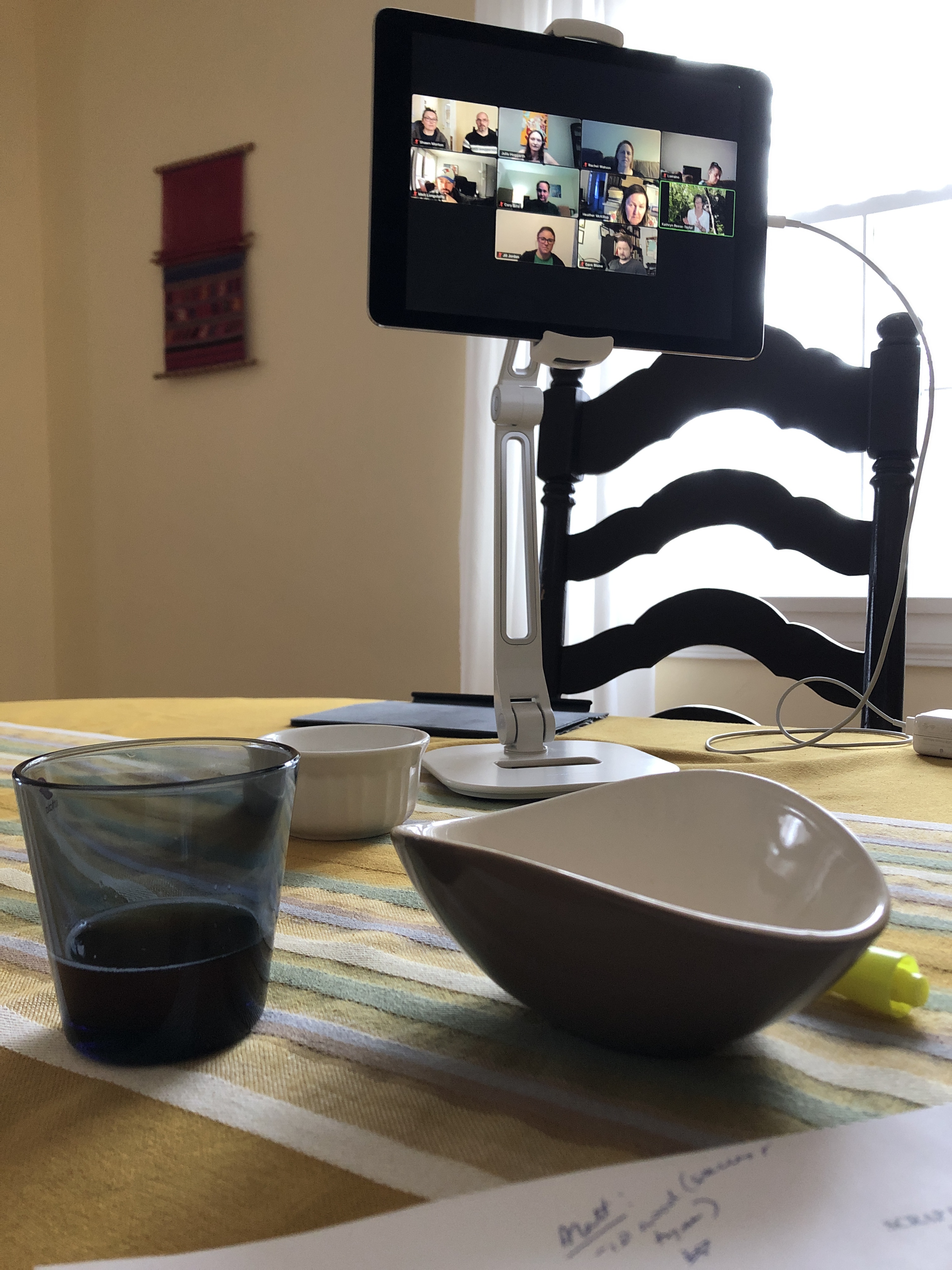
This past week our reading group ventured into the ever-complicated topic of ethnicity in archaeology. Thanks to all who attended and to Dr. Mary Davis for taking the time out to be with us. See below for summary and discussion questions provided by Shawn, and thank you to Heather for providing the photo.
Davis, Mary A. (2018) The Harappan ‘Veneer’ and the Forging of Urban Identity. In Walking with the Unicorn, D. Frenez, G.M. Jamison, R.W. Law, M. Vidale, and R.H. Meadow, eds., pp. 145-160. Archaeopress Access Archaeology.
In this article, Mary Davis explores a material culture tradition/horizon known as the ‘Harappan Veneer’. Mary proposes that this veneer spread via participation in trade and crafting traditions. It served to cement shared patterns of material culture use and symbolic representation across a diverse population. Evaluating four models for interaction—ultimately arguing that the ‘dormancy’ model best fits the data—Mary goes on to argue that, rather than signalling ethnic affiliation, adoption of the veneer was intended to signal being ‘cosmopolitan’ and ‘connected’ with any ethnic identities simply masked but remaining present to one day re-emerge.
Questions:
What is ‘ethnicity’? Is it expressed materially? How?
Can we differentiate ethnicity from other categories of identity represented by material culture and interpreted in the archaeological record? Is ethnicity a useful concept when considering the peoples of the ancient Indus? Is it useful when considering the peoples of the ancient Maya region? Similarities? Differences? To what degree does available data (a product of time, access, and the numbers of researchers involved) change what we can say?
What is ‘Maya culture’? The ‘Maya area’ has been divided into a series of material culture sub-regions. East-Central Belize, where SCRAP conducts its research is defined by earthen core architecture, granite facing stones and monuments, the conspicuous use of ornamental (likely imported) limestone, etc. What characteristics define other sub-regions? What does this mean? Do such sub-divisions have any integrity as emic identity markers? Are they the simple product of environmental/technological/economic determinism?
At what point does ‘Maya’ stop being a useful term/concept and start being a hindrance to archaeological interpretation?
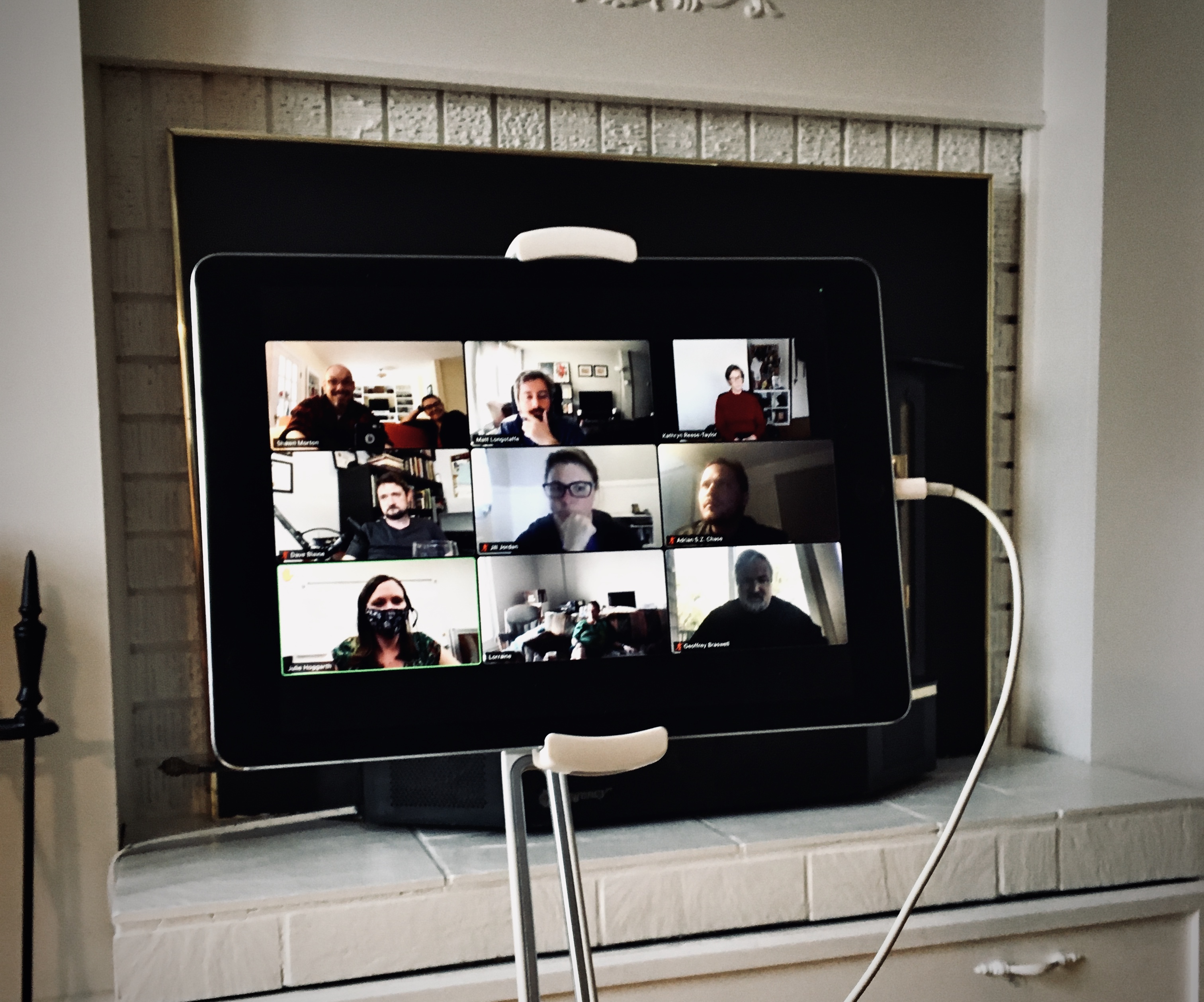
Thank you to Dr. Geoff Braswell for joining us in Friday’s conversation about money/currency (did it exist??), its production and procurement, and core-periphery relations in the ancient Maya world. See below for article summary and discussion questions (courtesy of Matt Longstaffe).
Baron, Joanne P. 2018. Making Money in Mesoamerica: Currency Production and Procurement in the Classic Maya Financial System. Economic Anthropology 5(2):210–223. DOI:10.1002/sea2.12118.
What is money? How did it develop in complex societies such as the Maya? What evidence do we have for it (in its varying forms) and how did it change over time? How did money configure and reconfigure socioeconomic relationships? These are just a few of the questions raised in “Making money in Mesoamerica: Currency production and procurement in the Classic Maya financial system”.
In the article, Joanne Baron proposes a historical process of monetization in which items indexical to elite status, such as cacao and cotton textiles, see their value extended beyond elite contexts to become money or currency. This process accelerates in the seventh-century CE when large polities across the southern lowlands begin to devote more resources to their market economies as they become reliant on goods exchanged in marketplaces. It is argued that this process of shifting materiality–through discourse and practice cacao and cotton (and woven cloth) assume new value and become currency–ultimately reconfigures relationships between core urban polities and agricultural zones in the peripheries of the Maya world.
Discussion Questions (in no particular order):
Cacao, salt, jade, shell, and copper. These are all examples of environmentally distributed resources that ultimately become important to the commercialization of Maya economies. Baron highlights eastern and southern Belize as regions strongly affected by this process. Do we agree with the presented scenarios? Is the shift in value of goods such as cacao, salt, or shell represented directly or indirectly in the material record of our sites? If so, what does this look like? In what types of contexts is this observed?
Standardization of production (or products) is important to the creation of a standard of value. What approaches can we use (or already use) to identify standardization in the material record?
While the article focuses predominantly on the institutional economy, how does increased commercialization and monetization impact the functioning of domestic economies? What material patterns should we expect in households in increasingly commercialized Maya societies?
Does intensive production of commodities such as cacao or salt require elite monopolization?
Core-periphery relations are not a new topic of study in Mesoamerican archaeology. However, research about money/currency is forcing a re-examination of assumptions about the dynamics of social, political, and economic relations between regions, polities, and producers-consumers, for example. How might regions such as Stann Creek (once called an “unoccupied cultural backwater”) be reconsidered in light of evidence for incipient commercialization during the Late Classic?
While we may or may not agree with the scenario(s) presented by Baron, there were undoubtedly interactions (in many forms) between eastern and southern Belize and other regions. These interactions were certainly not constrained to individual sites. How can we think more regionally? How can we better integrate meso- and macro-scale data to understand our material patterns? What might this tell us about the scope and scale of interactions between Stann Creek/Toledo and regions further afield.
This week we dared to venture into the world of Bayesian statistics. Luckily, we had the marvelous Dr. Julie Hoggarth as our guide. See below for summaries of the articles and the questions that directed our 2.5-hour discussion.
Summaries
Hamilton, W. Derek, and Anthony M. Krus. (2018) The myths and realities of Bayesian chronological modeling revealed.” American Antiquity 83.2: 187-203. Hamilton and Krus review the history of using Bayesian chronological modeling within archaeology, offering several myths and misconceptions about the method based on their experience with colleagues. They show that there has been a boom in the use of Bayesian modeling over the past 5 years in particular, particularly applied within British archaeology as well as American archaeology. They list the following misconceptions: 1. Bayesian statistics are not scientifically objective; 2. Old radiocarbon measurements with large errors should be ignored; 3. Stratigraphic relationships between samples are needed to make a Bayesian chronological model; 4. The dates for diagnostic artifacts or time ranges should be included in models as constraints; 5. Agreement indices are useful tools for determining which models are probable; 6. Bayesian modeling is not necessary if you have an accepted site/regional chronology. Throughout their discussion of the general practice of Bayesian modeling, the authors ask chronological questions based on when activities began, ended, and the length of time the activity took place. These are all feasible questions when working in Bayesian models, given that prior information are used to model dates. The authors take the readers through the whole process from selecting samples to setting up models.
Hoggarth, Julie A., Brendan J. Culleton, Jaime J. Awe, Christophe Helmke, Sydney Lonaker, J. Britt Davis, and Douglas J. Kennett. (Accepted) Buliding High-Precision AMS 14C Bayesian Models for the Formation of Peri-Abandonment Deposits at Baking Pot, Belize. Accepted in Radiocarbon. Hoggarth et al. present a case study on the timing of the depositional processes of peri-abandonment deposits at Baking Pot, Belize, to assess the timing for the end of political activity at the site during the Late to Terminal Classic period. Multiple hypotheses have been presented to explain these deposits, which often feature large amounts of broken pottery, along with faunal remains, figurines, and in some cases musical instruments, in corners of plazas and courtyards in sites across the Maya lowlands. These have been interpreted as rapid events, such as warfare, with the assumption that the deposits were created in a single short-lived event (day or two) in which the entire deposit was formed (e.g., the palace was sacked and the material in it were deposited in these features). Other interpretations stress more protracted processes for the formation of deposits, such as the ritual termination of ceremonial spaces or pilgrimage by post-abandonment populations. To test these ideas, the authors dated faunal remains from distinct layers of 3 deposits, using hieroglyphic texts with calendar dates as priors to constrain dates when available. They used their stratigraphic positions to place the dates into the Bayesian model, using three models to assess rapid, medium, and protracted depositional processes. The results show low statistical agreement for rapid and medium models, with very high agreement with protracted processes, and show that for Baking Pot at least, these processes included at least 3 depositional events spanning around 150 years in total.
Questions:
Do we agree with Hamilton and Krus’ list of misconceptions of Bayesian modeling? Are there any points here that you think might still be problematic, particularly within their application in Maya archaeology?
Given the expansion of Bayesian chronological modeling within British and North American archaeology,why don’t we see more use of these methods in the Maya area? Is this a remnant of how Maya archaeologists are trained, are large-scale dating projects too expensive, or is it not that necessary given that Maya ceramic sequences are tied to the Gregorian calendar by association with Long Count dates on monuments (or a combination of these factors)?
Do we all agree that ceramic types that have been well-dated for one site/region date to the same time when they are found at other sites? Using our example of Belize Red from the last meeting, does the Belize Valley ceramic sequence nail down the the timing of Belize Red in southern Belize (or another region)?
In my [Julie’s] article on Baking Pot, we are able to use Long Count and Calendar Round dates on ceramics in the deposits as a terminus post quem, to constrain the ‘time after which’ we know the deposit could have formed. Is this an under-explored area for chronology building in the Maya region or are these types of artifacts so rare that this type of method will not be likely to catch on much in Maya archaeology?
Inomata and colleagues have had quite a bit of push-back from regional specialists on their Bayesian chronological revision for Kaminaljuyu and other sites. What are the main issues with applying these methods when one is not a specialist working in that region? Should archaeologists stick to those sites where they conduct excavation or can specialists working in other areas lend information or perspectives that might otherwise be missed?
What do you feel would be the most important information that you’d like to learn from these types of studies and how they can be applied to the Maya area? Do you think that those studies that have been attemped (e.g. Inomata et al.) have been successful?

 #BeforeSocialDistancing#ExperienceGPRC#TechTuesday#5GPRCGPRC Research and Innovation

 The Stann Creek Regional Archaeology Project